








Vitamin D Deficiency in Qatar: What to Take

Qatar gets over 3,000 hours of sunshine a year, more than almost anywhere else on earth, and yet vitamin D deficiency remains one of the most common findings in routine blood work across the Gulf region. If that sounds contradictory, it is, and understanding why is the first step to actually fixing it. This guide walks through why deficiency happens here despite the sun, what the warning signs look like, and exactly what to take.

In this guide
Why Vitamin D Deficiency Is So Common in Qatar
Vitamin D is produced when ultraviolet light from the sun hits your skin directly, and that is precisely where the paradox lives. Qatar's daytime temperatures for much of the year make direct, unprotected sun exposure genuinely unpleasant and, in summer, actively risky from a heat standpoint. Most people spend the bulk of their day indoors in air conditioning, commute in a car rather than walking, and reasonably cover up or apply sunscreen for the short time they are outside, all of which are sensible choices for comfort and skin health, but all of which also block the exact mechanism that produces vitamin D.
Add in traditional and modern clothing styles that cover most of the skin, and a diet that (outside of oily fish) naturally contains very little vitamin D, and it becomes clear why deficiency is common here despite the abundance of sunlight overhead. This is not a personal failing. It is a predictable outcome of how modern life in a hot climate actually works.
Signs and Symptoms of Low Vitamin D
Vitamin D deficiency is notorious for being easy to miss because its symptoms are vague and easy to attribute to something else, like normal tiredness or stress. Common signs include persistent fatigue that does not improve with rest, generalized bone or muscle aches, a low mood, slower recovery from workouts, and getting sick more often than usual. None of these symptoms confirm deficiency on their own, which is why a simple blood test remains the only reliable way to know your actual level.
How Much Vitamin D You Actually Need
Vitamin D is measured in International Units (IU), and supplement products in Qatar's pharmacies and supplement stores commonly come in several standard strengths. General maintenance doses tend to sit lower, while products aimed at correcting an existing deficiency are sold in much higher single doses.
Because the right dose depends heavily on your current blood level, sun exposure habits, and body weight, the most reliable approach is to get tested first, then choose a strength based on the result, ideally with input from a doctor or pharmacist rather than guessing.
D2 vs D3: Which Form Works Better
Vitamin D supplements come in two forms: D2 (ergocalciferol, usually plant or fungal derived) and D3 (cholecalciferol, usually derived from lanolin or lichen for vegan options). The research fairly consistently shows that D3 raises and maintains blood vitamin D levels more effectively than D2 at an equivalent dose, which is why the large majority of supplements sold today, and the ones we would generally recommend, are D3.
Best Time of Day to Take Your Supplement
Vitamin D is fat soluble, meaning it absorbs better when taken alongside a meal that contains some fat, rather than on an empty stomach with just water. Beyond that, there is no strong evidence that morning or evening timing matters much for the vitamin itself. In practice, we suggest pairing it with your largest meal of the day, since that is the easiest habit to stick to consistently.
Food Sources vs Supplements
A small number of foods do contain meaningful vitamin D, including fatty fish like salmon and mackerel, egg yolks, and fortified products like some milk and cereal. Realistically, though, it is very difficult to reach an adequate level through diet alone, especially for anyone who does not eat oily fish regularly. For most people living the modern indoor, air conditioned lifestyle common in Qatar, a supplement is not a last resort, it is simply the practical solution.
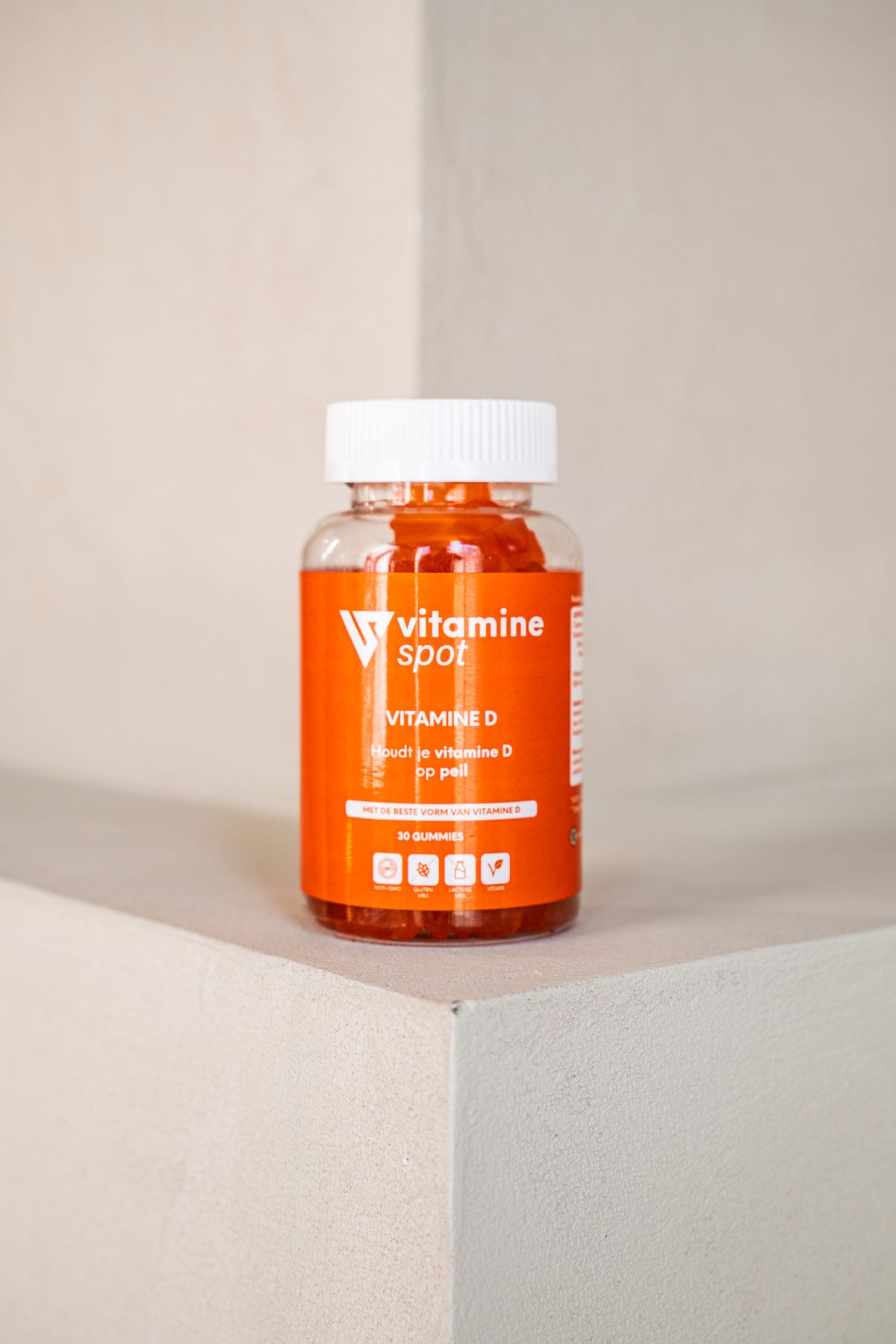
How to Choose a Vitamin D Supplement in Qatar
When shopping locally, look for:
- D3 (cholecalciferol) rather than D2, unless you specifically need a vegan option and are choosing lichen sourced D3 instead.
- A dose that matches your actual need, based on a blood test result rather than the highest number on the shelf.
- Softgel capsules with an oil base, since the fat helps with absorption, or a product explicitly formulated for better bioavailability.
- Proper storage, since heat exposure during transport and storage can affect potency over time, something worth considering when buying from any supplier during Doha's hottest months.
Vitamin D deficiency in Qatar is common, well understood, and genuinely easy to correct once you know your number and choose the right product. If it has been a while since your last blood test, that is the best place to start.
مقالات ذات صلة


Creatine in 45°C Heat: What Actually Changes About Dosing and Hydration in Qatar
Doha summers push core temperature and sweat rate well past what most creatine research is based on. Here's what actually changes, and what doesn't.


Whey vs. Isolate: Choosing Protein for Your Ramadan Schedule
Suhoor-to-iftar fasting changes when and how fast you need protein to hit the bloodstream. Here's how the two forms compare.


Creatine Loading vs. Steady Dosing: What 20 Years of Research Say
A loading phase gets you saturated faster, but is faster actually worth the bloating? We break down both protocols.