









Creatine in 45°C Heat: What Actually Changes About Dosing and Hydration in Qatar
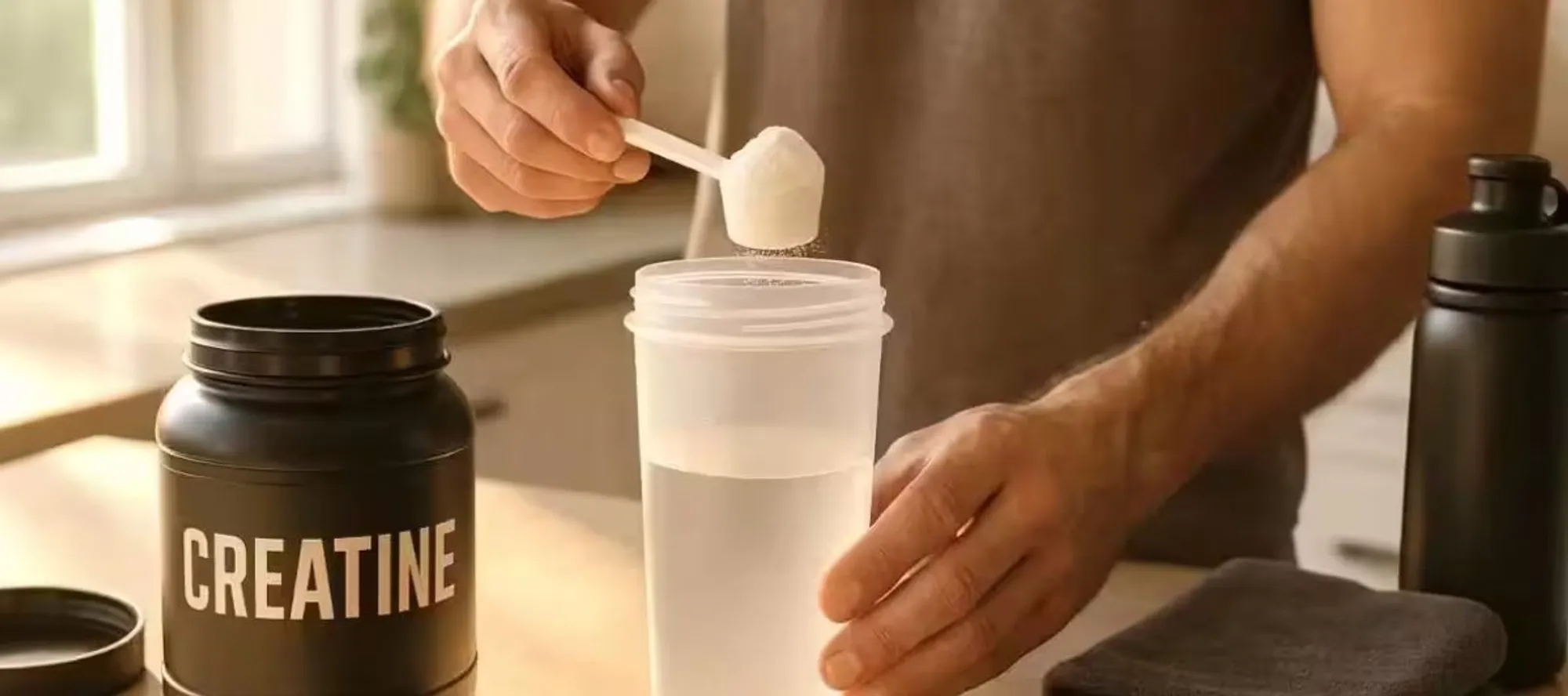
Most creatine dosing guidance comes from studies run in temperate labs, not on a training floor in Doha in August. That gap matters more than most lifters assume.
What actually changes in extreme heat
Creatine draws water into muscle cells, a mechanism that's usually framed as a strength benefit, but in high heat it also means your baseline hydration needs go up before you even factor in sweat loss. Training outdoors or in an unairconditioned space at 40°C+ can push fluid losses well past what a standard "8 glasses a day" guideline assumes.
What we adjust, and what we don't
The creatine dose itself doesn't change. 3-5g daily remains the evidence-based range regardless of climate. What changes is everything around it: total fluid intake, electrolyte replacement, and timing training away from peak heat when possible.
The bottom line
Treat creatine and hydration as two separate variables you're both managing, not one substituting for the other. Neither a bigger creatine dose nor plain water alone solves a heat-driven hydration deficit.
مقالات ذات صلة


Vitamin D Deficiency in Qatar: What to Take
Qatar has some of the sunniest weather in the world, yet vitamin D deficiency is still common. Here is why, and exactly what to take.


Whey vs. Isolate: Choosing Protein for Your Ramadan Schedule
Suhoor-to-iftar fasting changes when and how fast you need protein to hit the bloodstream. Here's how the two forms compare.

Creatine Loading vs. Steady Dosing: What 20 Years of Research Say
A loading phase gets you saturated faster, but is faster actually worth the bloating? We break down both protocols.