
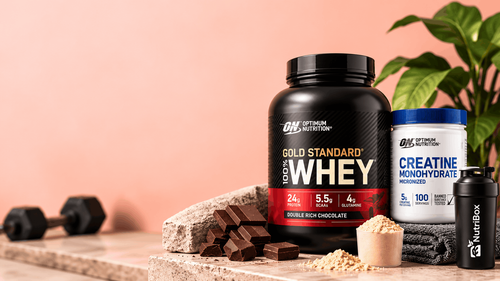


Reading a Supplement Label: What “Third-Party Tested” Really Means

"Third-party tested" sounds reassuring on a label, but the phrase alone doesn't tell you what was actually tested for, or how rigorously.
What certifications actually check
NSF Certified for Sport and Informed Sport both screen for banned substances relevant to competitive athletes, useful if you're tested, but not the same as a general purity or heavy-metal screen.
What to look for instead
A batch-specific certificate of analysis (COA) you can look up online is a stronger signal than a certification logo alone, since it ties directly to the exact tub you're holding.
The bottom line
A logo is a starting point, not a guarantee. Check what it actually covers before assuming it answers every safety question.
Related articles

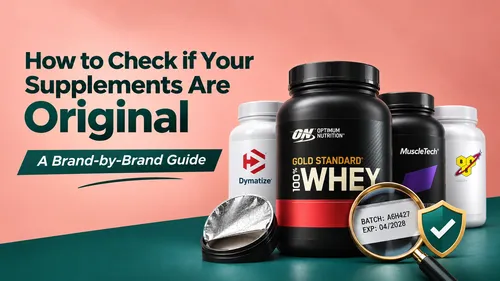
How to Check if Your Supplements Are Original: A Brand-by-Brand Guide
How do you know if your protein or creatine is original? The checks that actually matter for Optimum Nutrition, MuscleTech, BSN and Dymatize, plus what to do if you suspect a fake.

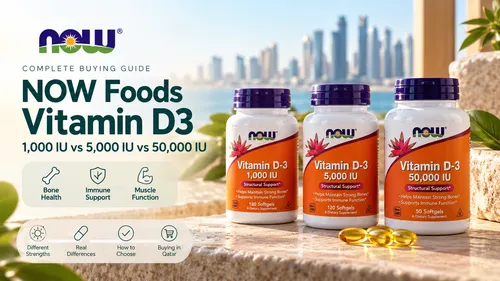
NOW Foods Vitamin D3: 1,000 vs 5,000 vs 50,000 IU
Which strength should you choose? Compare dosage, ingredients and product directions before buying.

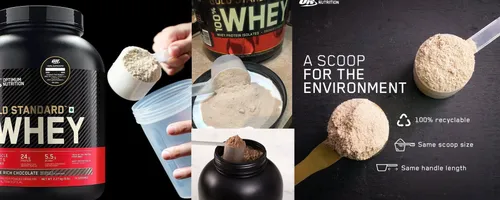
Is Your Optimum Nutrition Scoop Different? The Truth About the Gold vs Transparent Scoop
Bought a new tub of Optimum Nutrition Gold Standard Whey and noticed the scoop looks different? Before assuming it's fake, here's what actually changed—and the real signs you should check.