








Creatine is the single most researched supplement in sports nutrition, and it is also one of the most confusing for beginners to shop for. Walk into any supplement aisle in Doha and you will see monohydrate, HCl, micronized, buffered, and "advanced" blends all claiming to be the best option. This guide cuts through that and tells you exactly what to buy, how much to take, and how to build your first month around it, adjusted for training in Qatar's climate.
In this guide
What Is Creatine and Why Beginners Take It
Creatine is a compound your body already makes in small amounts from amino acids, and it is also found naturally in meat and fish. It works by helping your muscles regenerate a molecule called ATP faster during short, intense efforts, which is why it is best known for improving performance in sets of weightlifting, sprints, and other explosive movements rather than long, steady cardio.
For a beginner, the appeal is straightforward: creatine is cheap, it has decades of safety data behind it, and it produces a noticeable improvement in how many reps you can complete in a given set within the first few weeks of consistent use. It is not a shortcut around training or eating enough protein, but paired with both, it is one of the few supplements that reliably does what it claims.
Creatine Monohydrate vs Other Forms
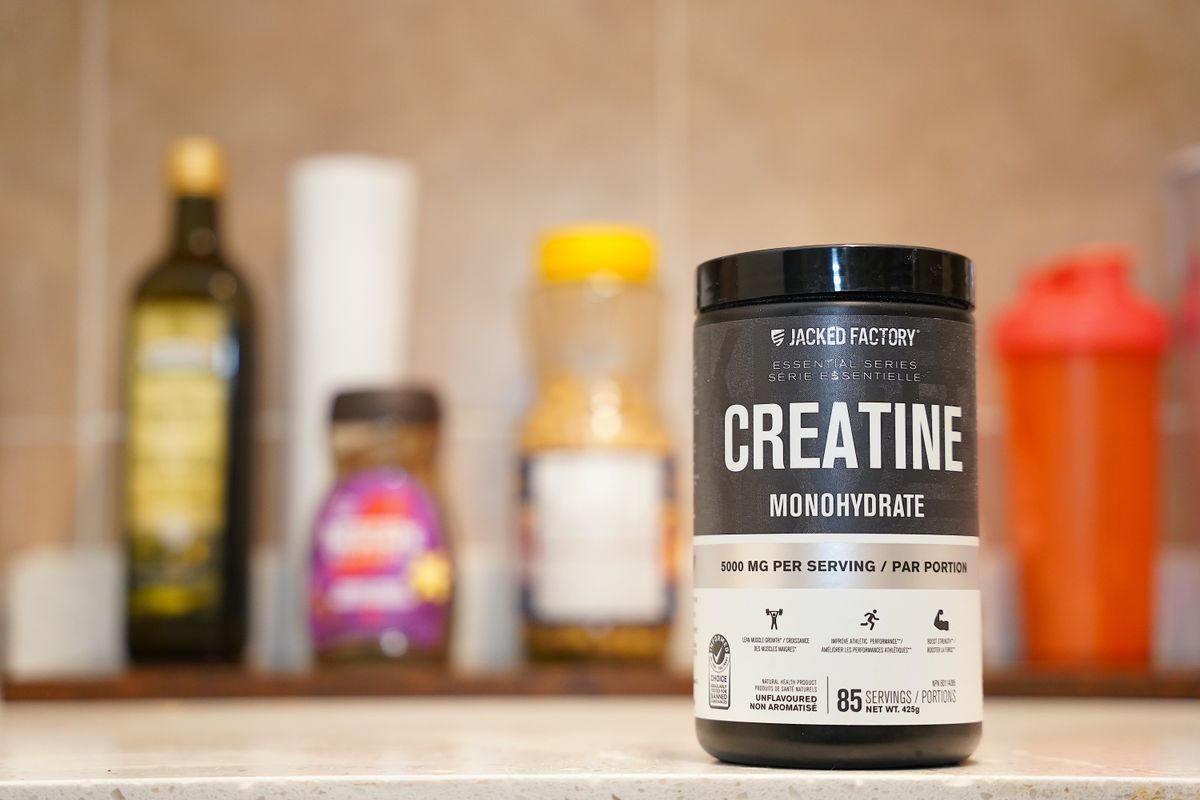
This is where most beginners overspend. Supplement brands have released dozens of "improved" creatine forms over the years, mostly to justify a higher price. The research tells a much simpler story: plain creatine monohydrate remains the most studied and most reliably effective form available.
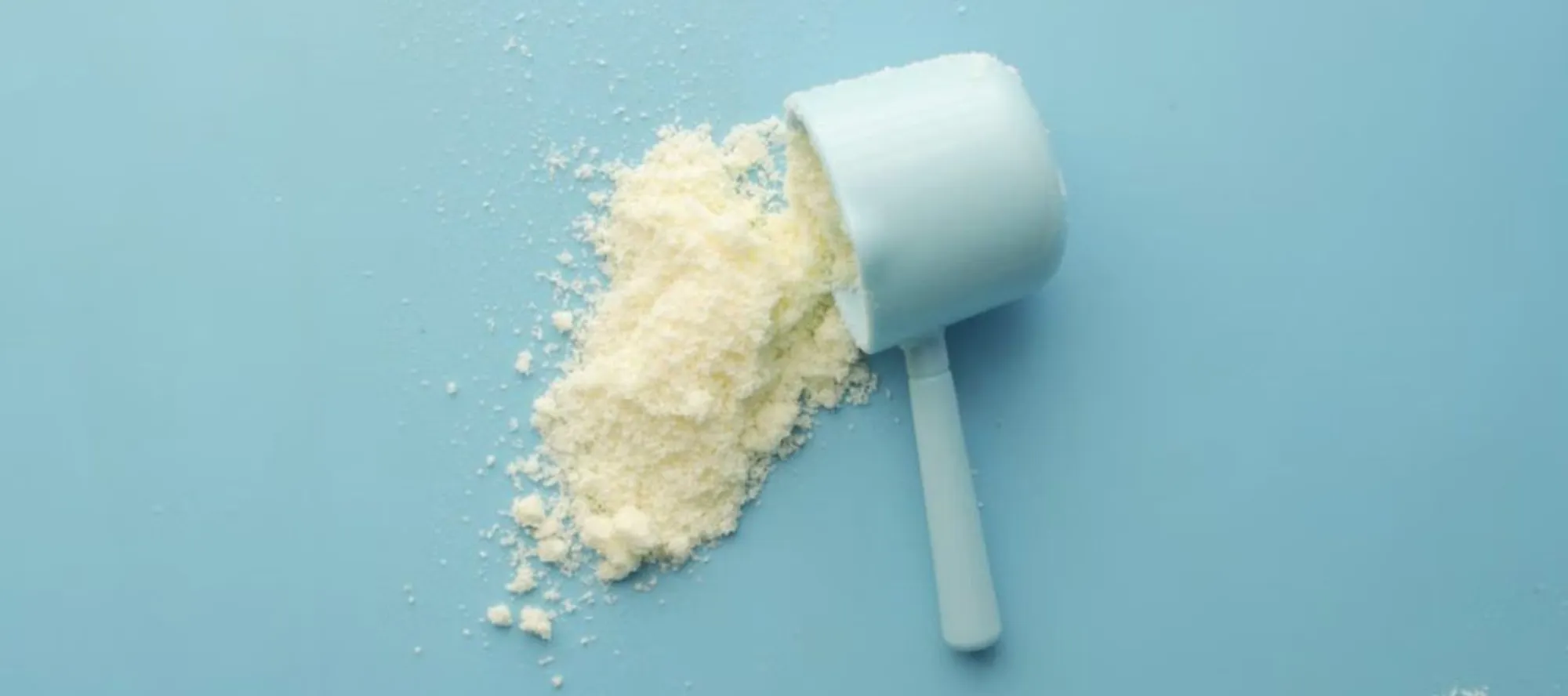
Micronized monohydrate is simply monohydrate that has been ground into a finer powder so it dissolves more easily in water. It offers a real, practical benefit (less grit in your shaker) without changing the underlying compound, so it is worth the small price difference. Creatine HCl and other exotic forms are not necessarily bad, but there is no solid evidence they outperform monohydrate, and they usually cost noticeably more per serving.
How Much Creatine Should a Beginner Take
The standard, well supported dose is 3 to 5 grams per day, taken consistently. You do not need to cycle on and off it, and you do not need a "loading phase" of higher doses in the first week unless you specifically want your muscles saturated faster; a loading phase just gets you to the same end result about a week and a half sooner, often with more bloating along the way.
For most beginners, we recommend starting at 5 grams a day, taken at the same time daily, and simply staying consistent. Consistency matters far more than timing precision here.
Best Time to Take Creatine in Qatar's Heat
Creatine draws a small amount of extra water into your muscle cells, which is part of how it works. In Doha's summer heat, where you are already losing more fluid through sweat than you would in a milder climate, this makes hydration a bigger priority than usual, not because creatine itself is dangerous in heat, but because dehydration on top of normal training stress is genuinely uncomfortable and can hurt performance.
Practically, this means: take your creatine with a full glass of water, keep your total daily water intake up throughout the day rather than only around training, and consider adding electrolytes on days you train outdoors or in the late afternoon heat.
Common Side Effects and How to Avoid Them
The most commonly reported side effect is mild stomach discomfort or bloating, which is usually caused by taking too much at once on an empty stomach rather than any deeper issue. A few practical fixes:
- Take your creatine with food or a shake rather than on an empty stomach.
- Split a larger dose into two smaller ones if you notice discomfort at 5 grams at once.
- Choose micronized monohydrate if grittiness or slow dissolving bothers you.
- Stay consistent with water intake, especially in warmer months.
Serious side effects are rare in healthy adults at standard doses, but as with any supplement, check with a doctor first if you have an existing kidney condition.
How to Choose a Quality Creatine Product in Qatar
Since the compound itself is simple and well understood, the real differences between brands come down to purity and manufacturing quality rather than the ingredient itself. Look for:
- A short ingredient list, ideally just creatine monohydrate with no unnecessary fillers.
- Third party testing or a batch specific certificate of analysis, so you know what is actually in the tub.
- A reputable local supplier who can guarantee proper storage, since supplements sitting in extreme heat during shipping or storage can degrade over time.
A Simple First Month Plan
If you are just starting out, here is a plan that removes the guesswork:
- Week 1 to 4: take 5 grams of micronized creatine monohydrate daily, with a meal or shake, at a consistent time.
- Hydration: aim for at least 2.5 to 3 liters of water a day, more on training days or in peak summer heat.
- Training: pair it with a structured beginner strength program of 3 sessions per week, since creatine amplifies training adaptation rather than replacing it.
- Tracking: note your key lifts weekly. Most beginners notice a small but real strength improvement by week 3 or 4.
After the first month, there is nothing further to change. Creatine is one of the rare supplements where the beginner protocol and the long term protocol are the same thing.
مقالات ذات صلة


Whey vs Plant Protein: Which Ships Fastest in Doha
Comparing whey and plant protein on nutrition, taste, and how quickly each one actually reaches your door in Doha.


Reading a Supplement Label: What “Third-Party Tested” Really Means
Not all certifications test for the same thing. A quick guide to NSF, Informed Sport, and what to check before you buy.